Key Takeaways
FuelCell Energy (FCEL) surged after announcing a strategic agreement with Fit Energy tied to clean power solutions for data centers.
The agreement could support up to 380MW of fuel cell power capacity, with an initial 30MW expected to begin later this year.
The market reaction reflects growing interest in AI data center power demand, on-site generation, and clean baseload energy solutions.
However, FCEL remains a high-volatility clean energy stock with significant operating losses, declining backlog, and potential dilution risk.
The key question is whether this agreement can convert into real revenue, backlog growth, and improved profitability.
Why FCEL Moved Sharply Higher

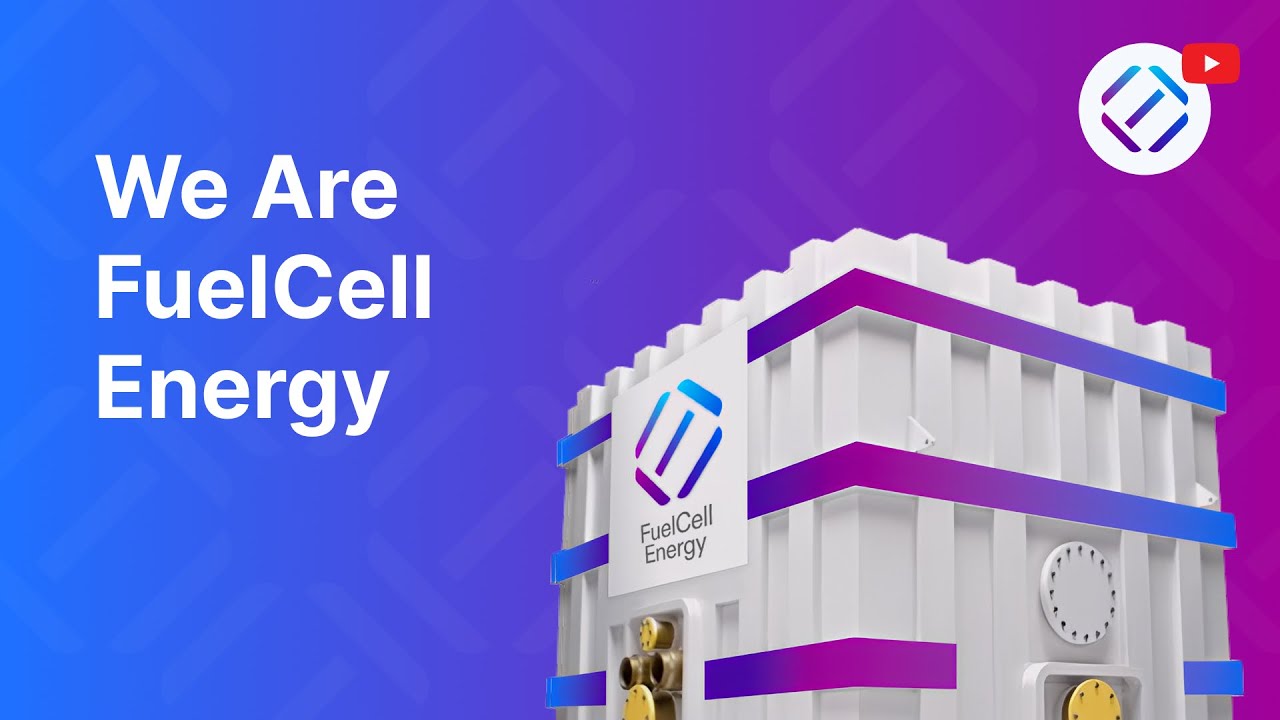
FuelCell Energy, Inc. (NASDAQ: FCEL) is a clean energy company focused on fuel cell power platforms, distributed power generation, data center energy solutions, industrial power systems, carbon capture, and hydrogen production.
The stock recently moved sharply higher after the company announced a strategic agreement with Fit Energy. The agreement is tied to clean baseload power solutions for data centers and could involve up to 380MW of fuel cell power capacity.
The market’s reaction was not simply about the broader clean energy theme. The bigger driver was the connection between FuelCell Energy and the rapidly growing power needs of artificial intelligence infrastructure.
AI data centers require large amounts of reliable electricity. As power grid interconnection delays, transmission bottlenecks, and baseload supply concerns become more visible, investors are increasingly focused on companies that can provide on-site power solutions.
FuelCell Energy fits into this theme through its fuel cell-based distributed power systems. These systems can potentially provide on-site electricity for customers that need reliable, scalable, and cleaner power sources.
The reported initial 30MW supply component also helped support short-term investor sentiment. A large long-term opportunity is interesting, but a near-term initial deployment makes the story more tangible.
Still, the rally should not be interpreted as proof that FuelCell Energy’s financial performance has already turned around. The market is reacting mainly to future contract potential and the broader AI power infrastructure narrative.
Was the Fit Energy Agreement a Real Catalyst?
Yes. Unlike some speculative clean energy rallies, this move had a clear catalyst.
FuelCell Energy’s strategic agreement with Fit Energy gave investors a specific reason to reassess the stock. The headline figure of up to 380MW is large enough to attract attention, especially because it is connected to the data center power market.
The agreement also fits well with current market themes. Investors are looking beyond AI chips and software toward the physical infrastructure needed to support AI growth. That includes power generation, grid equipment, cooling, energy storage, and on-site power systems.
FuelCell Energy’s 12.5MW Energy Block strategy also appears relevant in this context. Standardized modular power systems can be easier to explain to large infrastructure customers, especially when the customer needs repeatable capacity expansion.
However, investors should be careful about the difference between a strategic agreement and guaranteed revenue.
A 380MW opportunity does not automatically mean immediate revenue recognition. For the agreement to become financially meaningful, FuelCell Energy must convert the opportunity into project orders, installed systems, customer deployments, financing arrangements, permitting approvals, and operating revenue.
The agreement may also include warrant-related structures tied to future deployment milestones. That can help align long-term incentives, but it may also create potential dilution risk for existing shareholders.
In short, the news is real and meaningful, but execution still matters.
Price Action and Volume Analysis
FCEL’s stock reaction was strong. The shares moved sharply higher during the trading session, with the stock rebounding from the high-$18 range and reaching the mid-$25 range intraday.
The stock closed near the $24 area. While it pulled back from the intraday high, it still finished far above the session low, showing that buying interest remained significant.
Volume was one of the most important signals. Trading volume reportedly exceeded 27 million shares, far above normal levels. This type of volume expansion suggests that the move was not a small technical bounce. It reflected a broad increase in market participation.
That said, the pullback from the intraday high also matters. When a stock rises more than 20% in one session but fails to close at the high, it often means some traders took profits into the move.
The next key test is whether FCEL can hold the $24 area and whether buyers can challenge the mid-$25 intraday high again. If volume remains elevated and the stock holds support, momentum could continue. If volume fades quickly and the stock slips back toward the low-$20 range, the rally may look more like a short-term event-driven spike.
Technical Analysis: Strong Momentum, but Overheating Risk Remains
Technically, FCEL has entered a strong short-term momentum phase. The stock rebounded sharply after recent weakness, and the Fit Energy announcement gave traders a clear reason to re-enter the name.
That is constructive from a momentum perspective.
However, FCEL has historically been a highly volatile clean energy and fuel cell stock. Stocks in this category can move sharply on theme-driven optimism, but they can also retrace quickly when traders begin locking in gains.
A one-day move of more than 20% creates both opportunity and risk. The upside momentum is real, but the probability of short-term volatility is also high.
The $24 area now becomes an important short-term reference level. If FCEL holds near this area and volume remains strong, the stock could attempt another move toward the mid-$25 range and beyond.
If FCEL fails to hold the $24 level and falls back toward the low-$20 range, the rally may lose momentum quickly.
For now, the chart suggests renewed interest, not a confirmed long-term uptrend.
Sector Context: Fuel Cells, Hydrogen, and AI Power Infrastructure
FuelCell Energy belongs to several overlapping market themes: fuel cells, hydrogen, clean energy, distributed power, carbon capture, and data center electricity infrastructure.
Comparable clean energy and fuel cell names include Plug Power, Bloom Energy, Ballard Power Systems, and Clean Energy Fuels. However, FCEL’s latest rally appears to be driven less by a broad hydrogen rally and more by the AI data center power theme.
This distinction is important.
In previous cycles, fuel cell stocks often traded mainly as clean energy or hydrogen speculation. This time, the market is paying more attention to practical electricity demand from AI infrastructure.
AI data centers require dependable power. In many regions, the electric grid cannot always provide new capacity quickly enough. That creates interest in on-site generation and distributed power systems.
FuelCell Energy’s modular Energy Block platform could benefit from this theme if customers view it as a reliable solution for data center power needs.
Still, this was not necessarily a full-sector breakout. The move appears to be driven largely by FCEL’s company-specific agreement, with the broader AI power theme amplifying the reaction.
Fundamental Analysis: Big Opportunity, Weak Current Profitability
FuelCell Energy’s fundamentals remain mixed.
The positive side is that the company has a potentially large market opportunity. Data center power demand is growing, and the company has emphasized its sales pipeline, standardized Energy Block platform, and manufacturing expansion strategy.
The company also has cash resources that may help support near-term operations and strategic investment.
However, the financial results remain challenging. In Q2 FY2026, revenue declined year over year, while operating losses and net losses remained significant. This means FuelCell Energy has not yet reached a stable profit model.
The company’s backlog also deserves attention. Although backlog remains above $1 billion, it has declined compared with the prior year. That matters because backlog represents a more concrete base of future contracted revenue than pipeline.
Pipeline growth is encouraging, but pipeline is not the same as confirmed backlog. Investors should watch whether the Fit Energy opportunity and other data center discussions actually convert into signed orders and recognized revenue.
For FCEL, the central investment question is not whether the theme is attractive. The theme clearly is. The real question is whether the company can turn that theme into profitable growth.
Operating Efficiency: Potential Scale Benefits, but Not Yet Proven
From an operating efficiency perspective, FuelCell Energy is still in a difficult stage.
The company invests heavily in technology, manufacturing capacity, project development, and research. However, those investments have not yet produced consistent profitability.
That said, there are possible paths to improvement.
First, the 12.5MW Energy Block could help standardize the company’s product offering. Standardization can reduce engineering complexity and make future deployments more repeatable.
Second, the Torrington manufacturing expansion could increase production capacity if demand materializes.
Third, if large data center customers begin ordering systems at scale, FuelCell Energy could benefit from better operating leverage.
However, these benefits are not guaranteed. Manufacturing expansion requires capital. Project execution takes time. Customer adoption may depend on financing, permitting, energy economics, and reliability requirements.
For now, FuelCell Energy’s operating efficiency should be viewed as a future improvement opportunity rather than a current strength.
Financial Risk and Dilution Concerns

The biggest risk for FCEL is not simply debt. The more important issue is the combination of operating losses, capital needs, and potential equity-based financing.
FuelCell Energy remains an unprofitable clean energy technology company. It may need significant capital to expand manufacturing, support project development, and execute large-scale deployments.
The company has emphasized its cash position, but expansion plans can be expensive. If revenue conversion takes longer than expected, additional financing could become necessary.
FuelCell Energy has also raised capital through stock sales. While this can strengthen the balance sheet, it can dilute existing shareholders.
The Fit Energy agreement may also include warrant-related elements tied to future deployment milestones. If those warrants become exercisable, existing shareholders may face further dilution.
This does not mean the agreement is negative. It means investors need to evaluate both the upside and the financing structure.
FCEL’s financial risk is best understood as a combination of three factors:
First, the company is still losing money.
Second, manufacturing and project expansion may require more capital.
Third, future equity issuance or warrant exercise could dilute shareholders.
FCEL Rally Sustainability Score

Overall Score: 61/100
Rating: Strong short-term momentum, but execution risk remains high
Catalyst Clarity: 13/15
The Fit Energy agreement provides a clear and meaningful catalyst. The potential 380MW data center power opportunity is large enough to justify renewed investor attention.
News Sentiment and Reliability: 8/10
The news is based on a company announcement and connects directly to the AI data center power theme. However, investors still need to confirm how much of the opportunity converts into firm revenue.
Price and Volume Momentum: 14/15
The stock rose sharply with major volume expansion, showing strong short-term demand.
Technical Overheating Risk: 4/10
The move is powerful, but a one-day surge of more than 20% creates elevated pullback risk.
Sector Confirmation: 9/15
FCEL is connected to fuel cells, clean energy, and AI power infrastructure. The AI data center power theme is supportive, but the move appears mostly company-specific.
Fundamental Improvement: 5/15
The future opportunity is attractive, but current revenue weakness and losses remain major issues.
Operating Efficiency: 4/10
Standardized Energy Blocks and manufacturing expansion may help over time, but current profitability remains weak.
Financial Risk Management: 4/10
Cash resources provide some flexibility, but ongoing losses, expansion costs, equity financing, and warrant dilution risk remain important concerns.
What Investors Should Watch Next
The first thing to watch is whether the initial 30MW under the Fit Energy agreement begins on schedule. This would make the broader 380MW opportunity more credible.
The second factor is whether the strategic agreement converts into backlog. Investors should distinguish between pipeline, strategic potential, and signed project commitments.
The third factor is the Torrington manufacturing expansion. Cost, timing, and production capacity will matter.
The fourth factor is gross margin and operating loss improvement. Revenue growth alone is not enough if losses continue to widen.
The fifth factor is dilution risk. Investors should monitor stock issuance, warrant exercise, and future capital-raising activity.
The sixth factor is follow-through trading volume. A sustainable move usually requires continued interest after the initial news spike.
Bottom Line
FuelCell Energy’s latest rally has a clear catalyst. The strategic agreement with Fit Energy, tied to up to 380MW of data center power capacity, connects FCEL directly to one of the market’s strongest infrastructure themes: AI-driven electricity demand.
That makes the move more credible than a purely speculative clean energy bounce.
However, investors should not treat the rally as proof that FuelCell Energy has already completed a fundamental turnaround. The company still faces revenue pressure, large operating losses, declining backlog, high execution risk, and potential dilution.
The upside case depends on execution. FCEL needs to convert strategic agreements into firm orders, backlog, revenue, and eventually improved margins.
For now, FCEL looks like a high-volatility AI power infrastructure trade with real upside potential but meaningful financial and execution risk.
Until there is clearer evidence of revenue conversion and loss reduction, the rally should be viewed as a strong catalyst-driven move rather than a confirmed structural turnaround.
Related Reading
Disclaimer: This article is for informational purposes only and does not constitute investment advice, financial advice, or a recommendation to buy or sell any security. Investors should conduct their own research and consider their risk tolerance before making investment decisions.